


The World Cup Recovery Edge: Why Elite Footballers Turn to Oxygen
A World Cup compresses an entire season of intensity into a single month. A squad can play three group-stage matches in eleven days, then knockout football on short rest — frequently in heat, frequently after long-haul travel across time zones. The fixture list is brutal by design, and it quietly decides outcomes: the teams that go deepest are rarely the ones that simply play best on day one. They are the ones whose players are still fresh on day twenty-five. Increasingly, part of how they get there happens under pressure — inside a hyperbaric chamber.

Recovery is the real competition
Match load does not end at the final whistle. Ninety minutes of repeated high-intensity sprinting, decelerations and collisions leaves behind a predictable bill: micro-trauma in muscle fibres, transient inflammation, depleted tissue oxygen and glycogen, and a nervous system that needs to down-regulate before it can perform again. The body repairs all of it on its own. The only variable that matters competitively is how fast.
At a tournament, “how fast” is not an abstraction. It is the difference between a player who can still press in the 85th minute of a quarter-final and one whose legs are gone by the hour mark. Marginal gains in recovery rate, stacked across a squad and across three weeks, become the margin between going home and lifting a trophy.
What actually happens between matches
In the hours after a match, three processes run in parallel. Inflammation flags damaged tissue for repair. Circulation works to clear metabolic by-products and deliver nutrients and oxygen to the sites that need them. And the body rebuilds — laying down the proteins and restoring the energy stores that the next match will demand. Every one of these processes is rate-limited by oxygen availability at the tissue level.
That is the catch. Exactly where repair is most needed — swollen, inflamed, poorly-perfused tissue — is exactly where ordinary circulation struggles to deliver oxygen, because oxygen carried on red blood cells can only travel as far as the red blood cells themselves can squeeze.
Where hyperbaric oxygen fits
Hyperbaric oxygen therapy (HBOT) changes the delivery method. Breathing oxygen under increased pressure dissolves far more of it directly into blood plasma — the clear fluid that reaches tissue even where red-cell flow is compromised by swelling. More plasma-dissolved oxygen means more raw material delivered to precisely the tissue that is trying to repair itself, when the clock is running.
The goal is not to train harder. It is to be ready to train — and play — again, sooner.
This is why hyperbaric chambers have migrated from hospitals into the recovery rooms of professional clubs over the last decade, and why individual athletes increasingly treat recovery with the same seriousness they bring to training and nutrition. It is not a magic wand; it is a tool that addresses recovery at the level of oxygen delivery, which is one of the genuine bottlenecks.


What the research looks at — and what it does not
Sports-science groups have studied hyperbaric protocols around the markers athletes care about: perceived recovery, inflammatory signalling, and measures of muscle function after fatiguing exercise. It is an active and evolving field rather than a closed case, and anyone who tells you the science is fully settled is overselling. What is clear is the mechanism, and the fact that elite sport — an environment ruthlessly intolerant of things that do not work — keeps investing in it.
From the team facility to the spare room
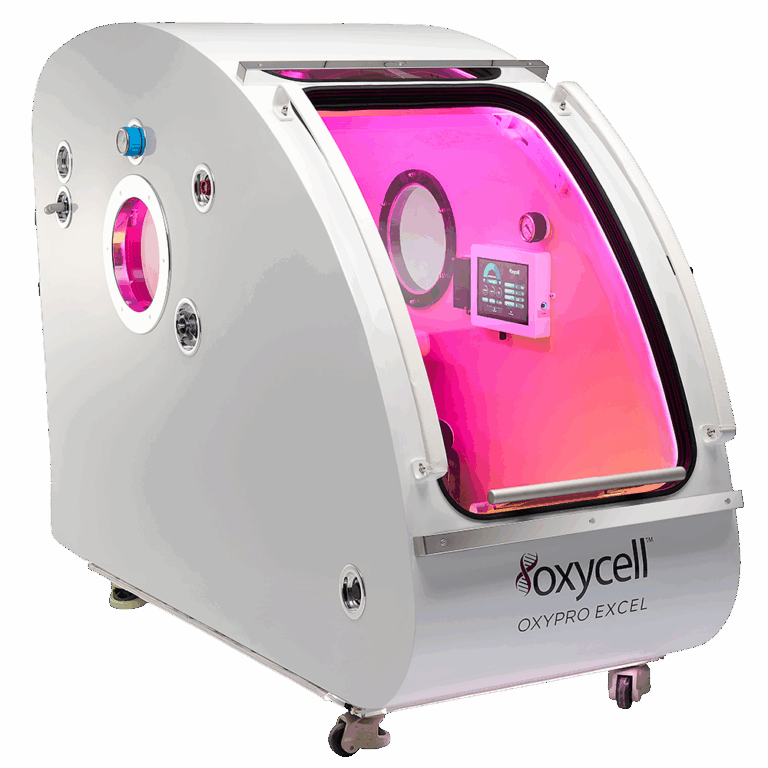
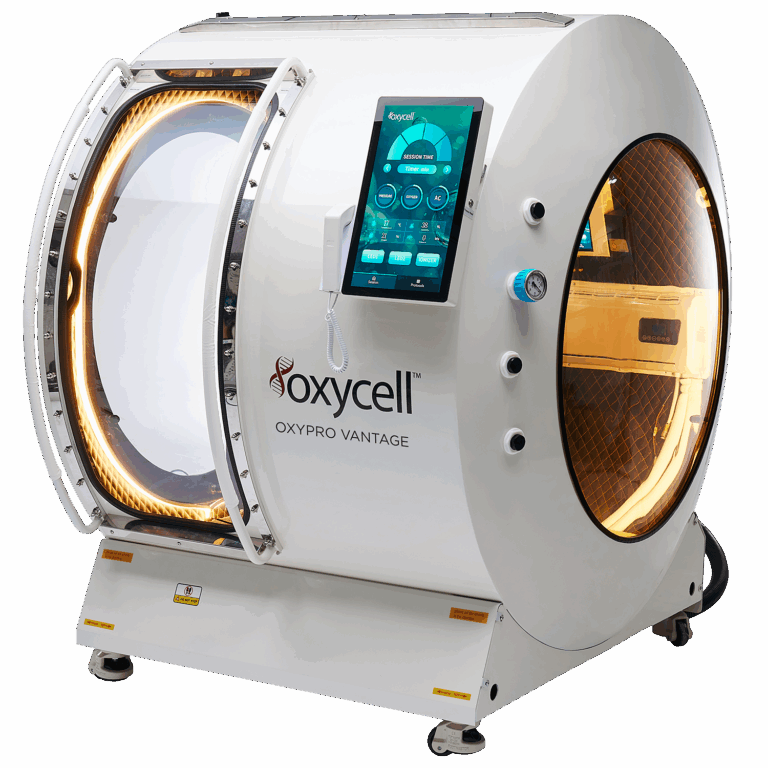
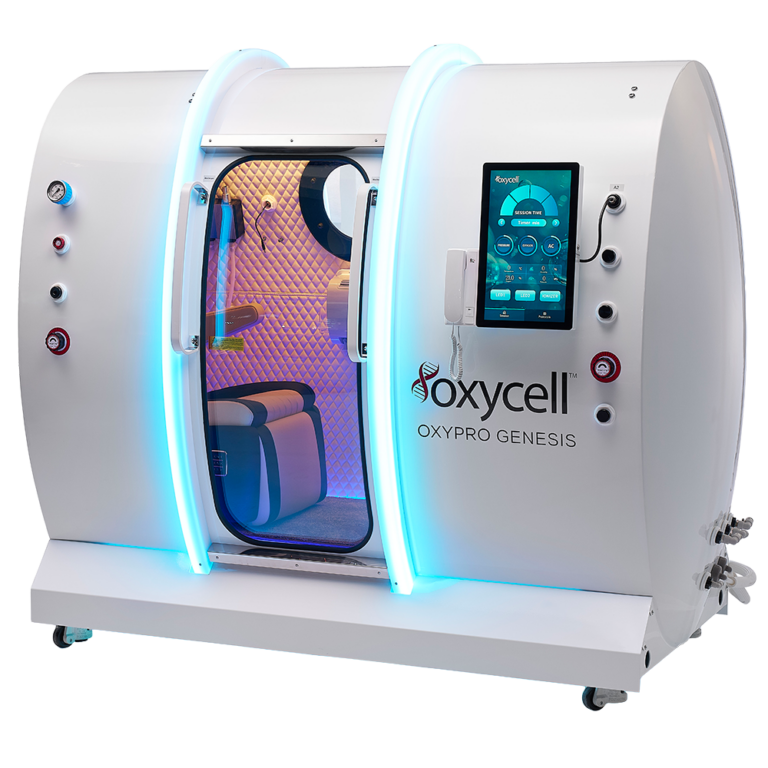
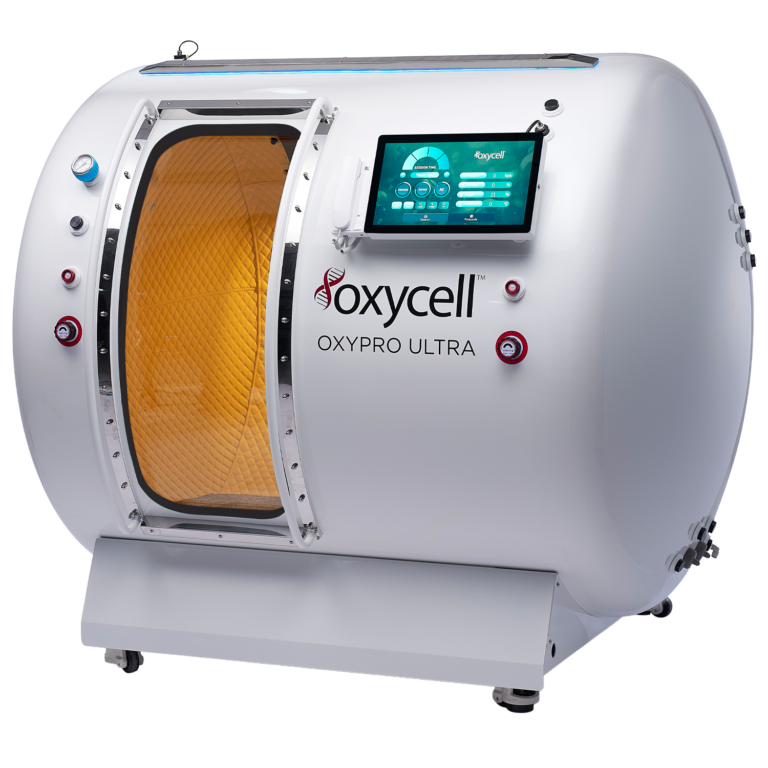
What changed for everyone else is access. A chamber built to the same engineering standard a top-flight club would specify is now something an individual can own and run at home, on a consistent schedule, the way the professionals do. And consistency is the entire point: recovery compounds when it is routine, not occasional. A protocol you run three times a week beats one you manage once a month at a clinic across town.
You do not need a national squad’s budget to recover like one. You need pressure, oxygen and the discipline to show up — and the last part gets dramatically easier when the chamber is down the hall.
- Tournaments are won on recovery rate. Three matches in eleven days rewards whoever rebuilds fastest between them.
- Oxygen delivery is the bottleneck. HBOT dissolves oxygen into plasma so it reaches inflamed, poorly-perfused tissue.
- Consistency beats intensity. The benefit comes from a routine protocol — which is the case for owning a chamber, not renting time on one.
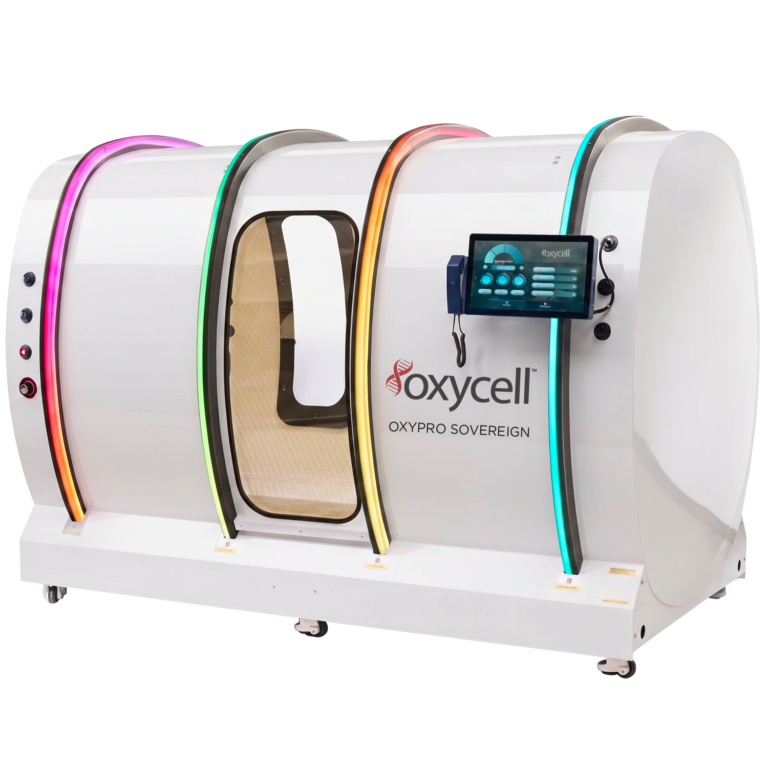
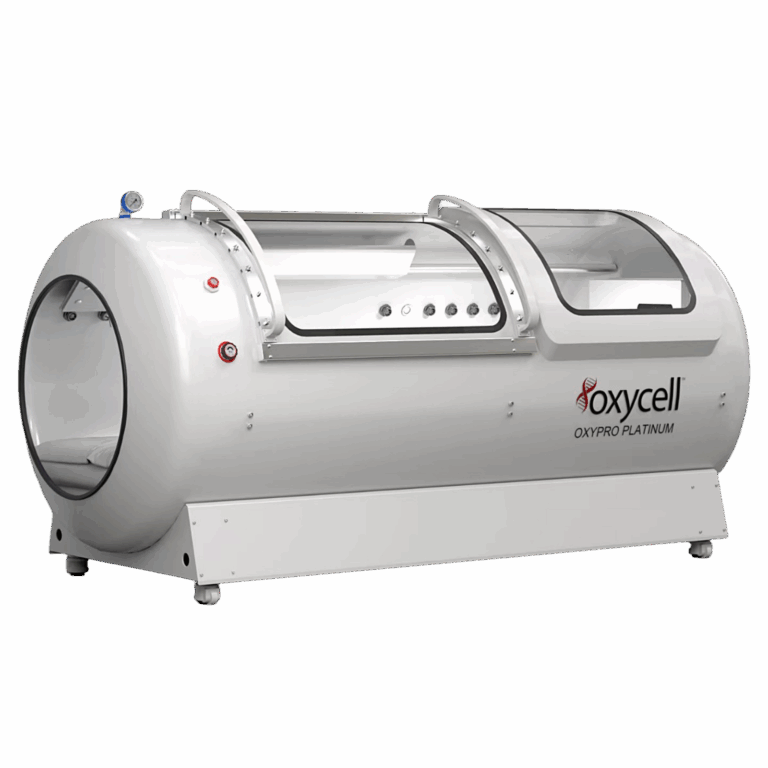
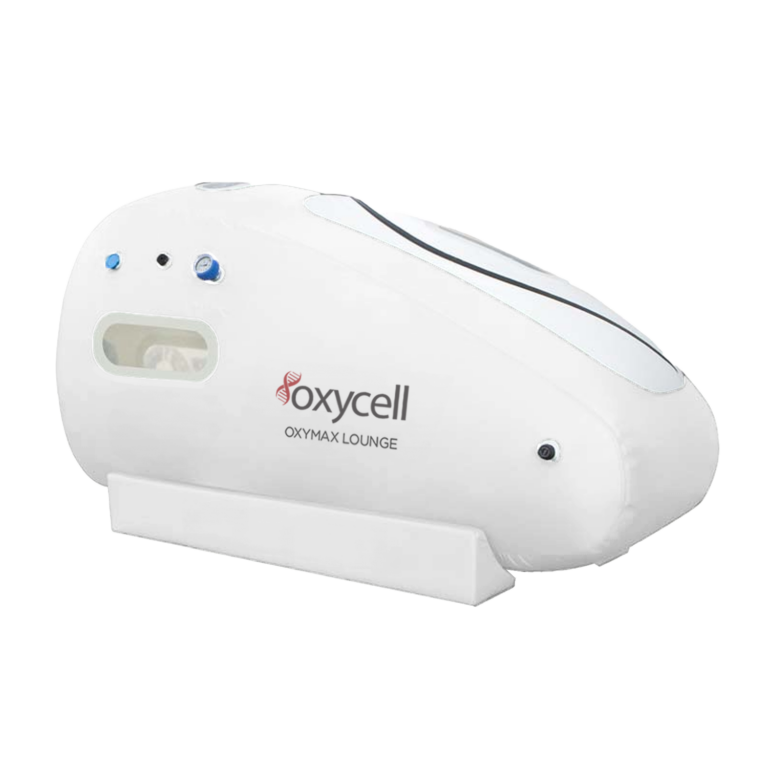
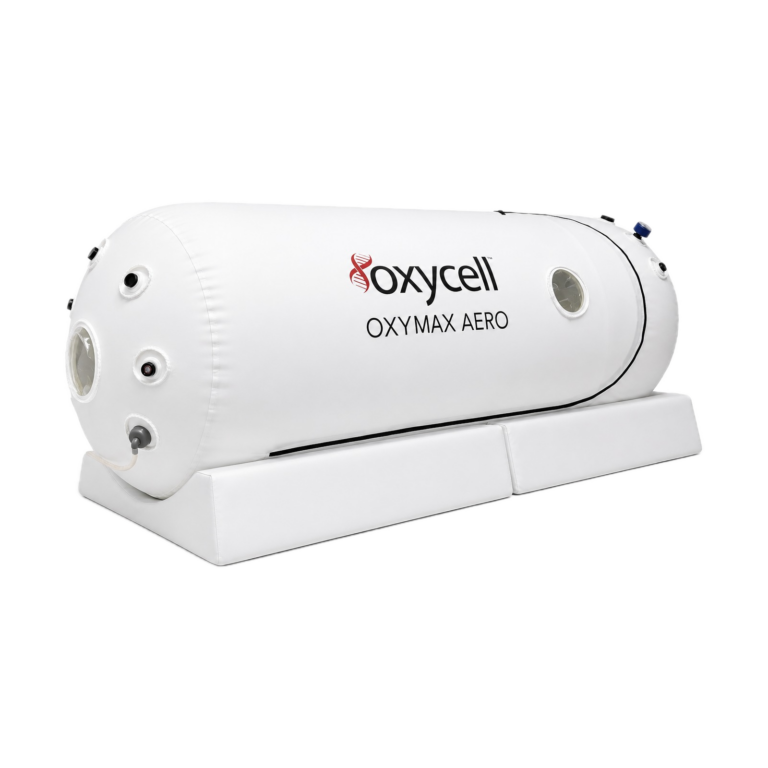
Curious where the science comes from? Start with our interactive science page, or explore the chamber range built for serious recovery at home.