


Bryan Johnson did something the longevity field had struggled to do for decades: he made it measurable, public and a little obsessive. Project Blueprint turned “aging” from a vague aspiration into a dashboard — sleep architecture, VO₂ max, inflammatory markers, organ-by-organ function, and the headline number that captured the public imagination: biological age. And once you start measuring everything, an uncomfortable question follows. Which interventions actually move the needle, and which just feel healthy? Hyperbaric oxygen keeps surfacing in that conversation.

The measurement revolution
For most of its history, “anti-aging” was a marketing category, not a discipline. What Blueprint popularised was the engineer’s posture: define the outcome, measure it rigorously, change one variable, measure again. That mindset is spreading well beyond one man’s protocol — continuous glucose monitors, at-home blood panels, and biological-age clocks have all moved from research labs into ordinary routines.
It also changes how you should evaluate any intervention, hyperbaric oxygen included. The right question is never “does this sound impressive?” It is “what does it measurably do, over what timeframe, and can I sustain it?”
Why oxygen delivery is a different lever
Most longevity tools work on inputs: what you eat, how you sleep, how and when you move. Hyperbaric oxygen pulls a different lever entirely — oxygen delivery itself. Under pressure, oxygen dissolves directly into blood plasma and reaches tissue that ordinary circulation serves poorly. Researchers studying aging are interested in what sustained, repeated exposure to that environment does at the cellular level, because so many hallmarks of aging trace back to declining tissue oxygenation and repair capacity.

The study that put HBOT on the longevity map
A widely-discussed 2020 prospective trial reported changes in two recognised hallmarks of aging — telomere length and the population of senescent (“worn-out”) cells — in older adults following a multi-week hyperbaric protocol. Telomeres are the protective caps on our chromosomes that shorten with age; senescent cells accumulate and drive low-grade inflammation. The reported direction of change on both was the interesting part.
The honest framing matters here: it was a small study, and the field rightly treats it as a starting point rather than a verdict. But it is exactly the kind of measurable, mechanism-linked result the Blueprint mindset is built to take seriously — concrete markers, moved in a defined protocol, reported in the literature.
Do not just do things that feel healthy. Do things you can measure — and repeat.
The real Blueprint lesson: protocol beats intensity
The most transferable idea from Johnson’s experiment is not any single supplement or gadget. It is the discipline: a fixed protocol, run consistently, measured over time. Hyperbaric therapy fits that philosophy precisely. The cumulative changes people pursue are typically associated with dozens of sessions over weeks — not one dramatic afternoon. It is a slow-compounding input, and slow-compounding inputs live or die on consistency.
Why ownership changes the math
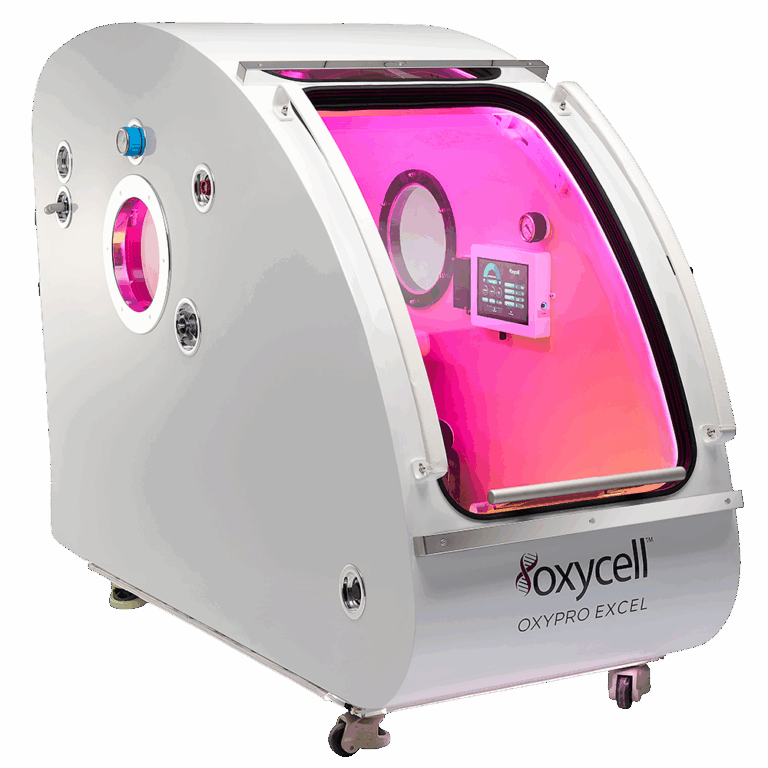
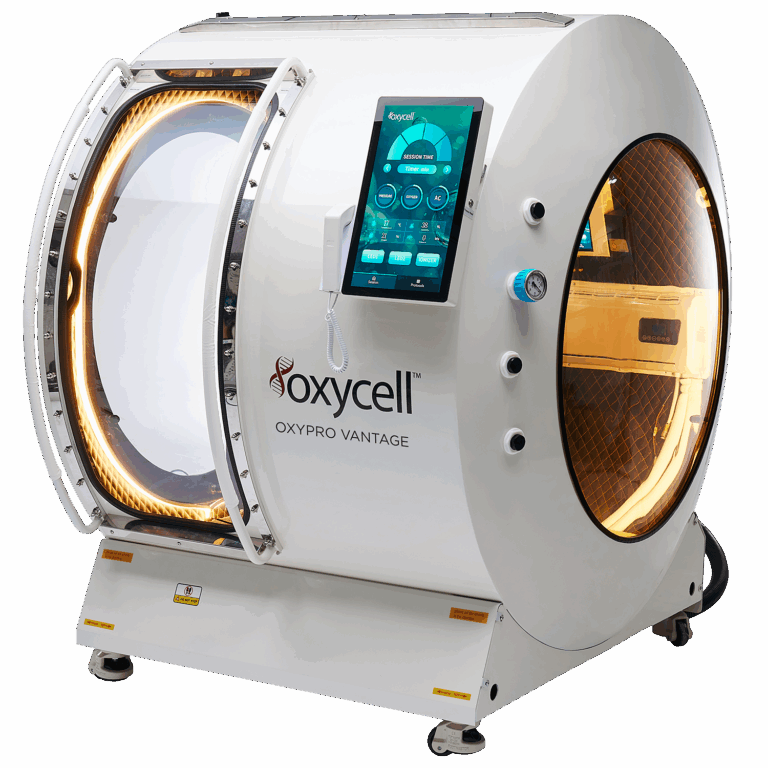
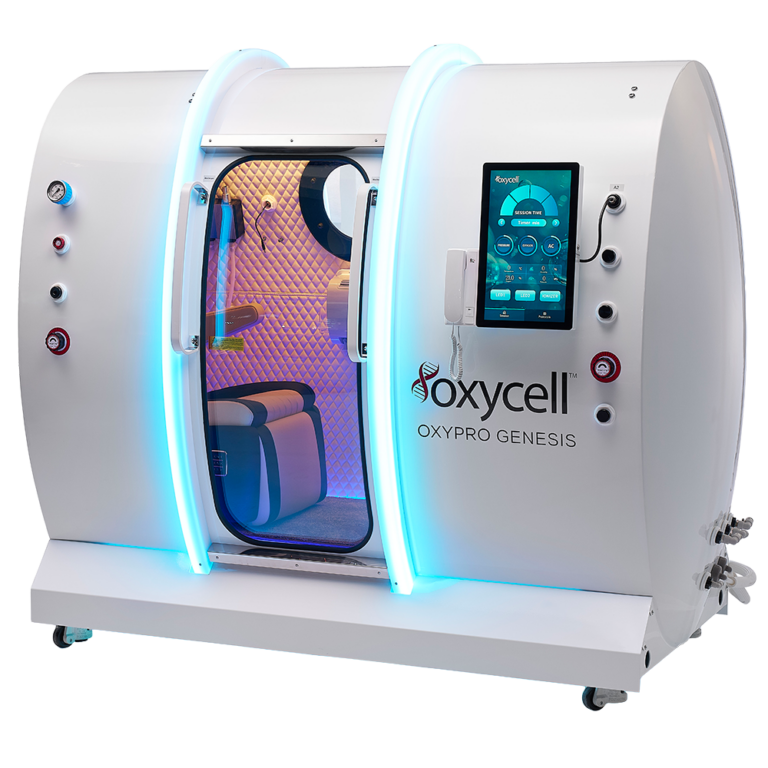
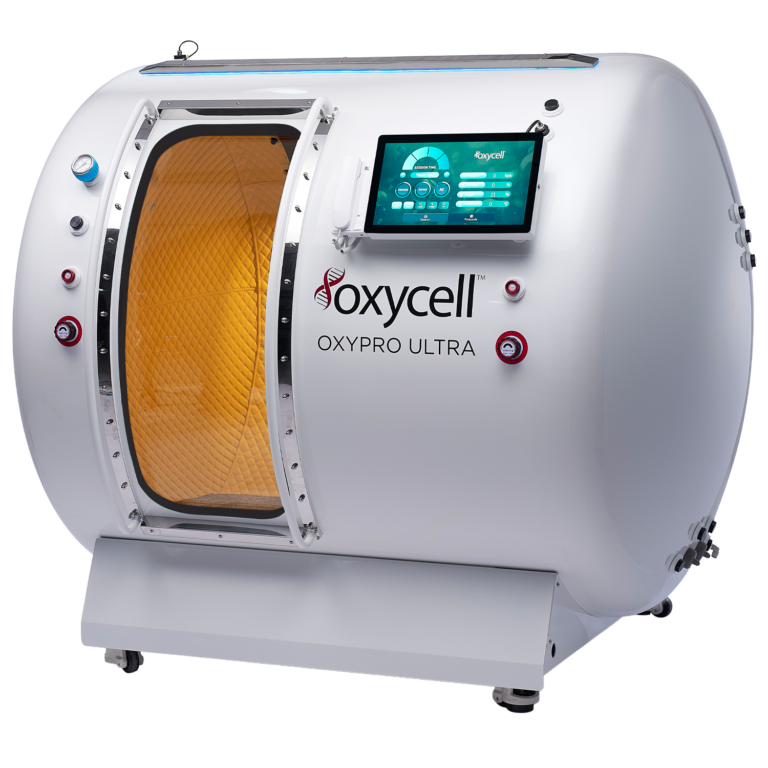
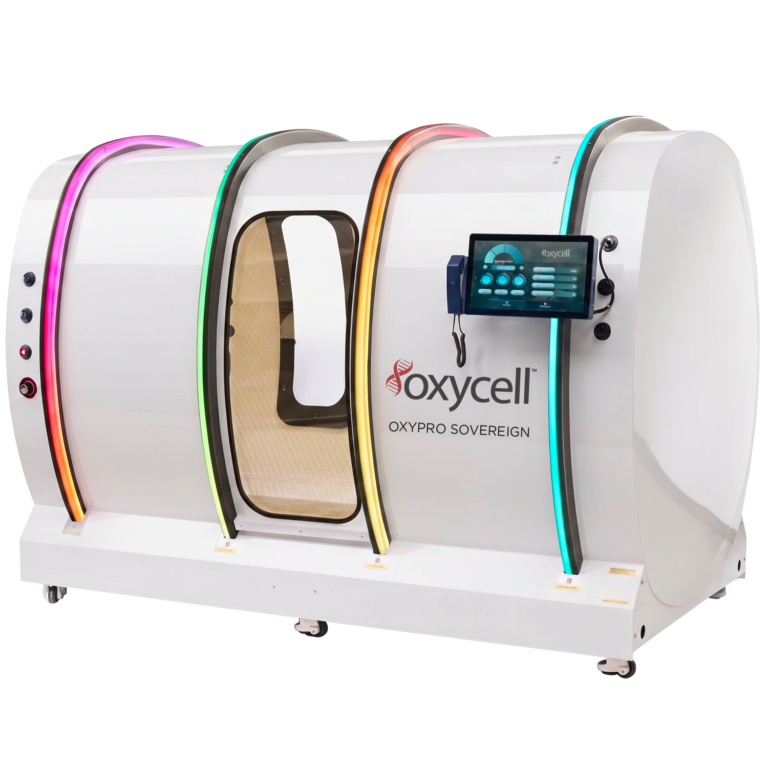
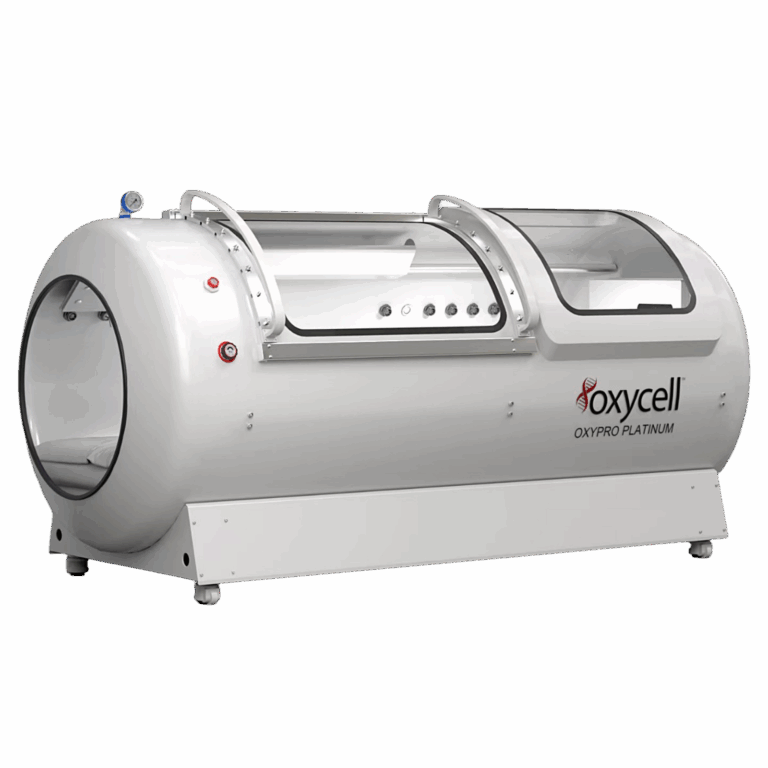
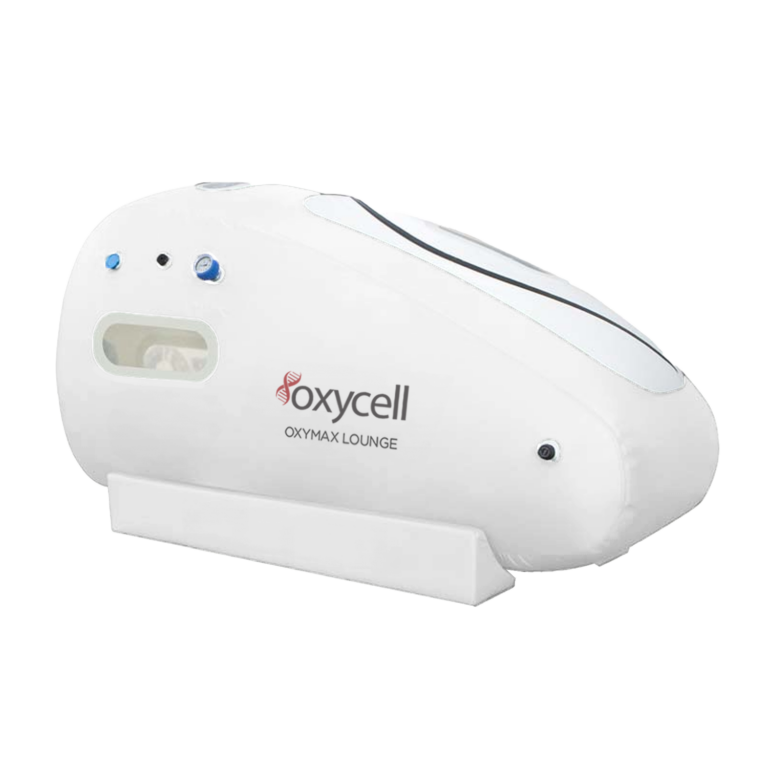
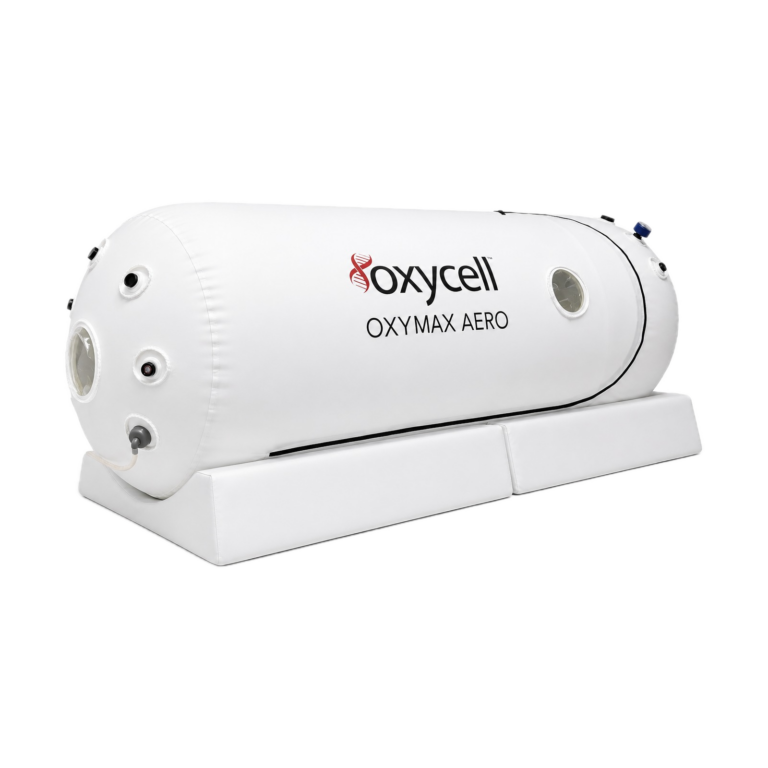
That is the quiet argument for owning a chamber rather than buying clinic time. A protocol you run on someone else’s schedule, across town, at per-session prices, rarely survives contact with a real calendar. A chamber in your home does. The economics flip too: at clinic rates, a multi-week protocol adds up fast, while ownership turns the marginal cost of each session to near zero — which is the only way a daily or near-daily protocol becomes realistic.
- The Blueprint era is about measurement. Evaluate every intervention by what it measurably does, over what timeframe.
- HBOT targets oxygen delivery — a different lever than diet, sleep or training, aimed at tissue-level repair.
- A 2020 trial reported movement in two aging hallmarks (telomeres, senescent cells). Promising, small, a starting point.
- Consistency is everything. The benefit compounds across dozens of sessions — which is why ownership beats renting.
Longevity is full of promises. The healthier posture — and the one this era rewards — is to stay curious, follow the data, and build routines you can actually sustain. Explore the science behind it, or see the chambers designed for a daily protocol at home.