

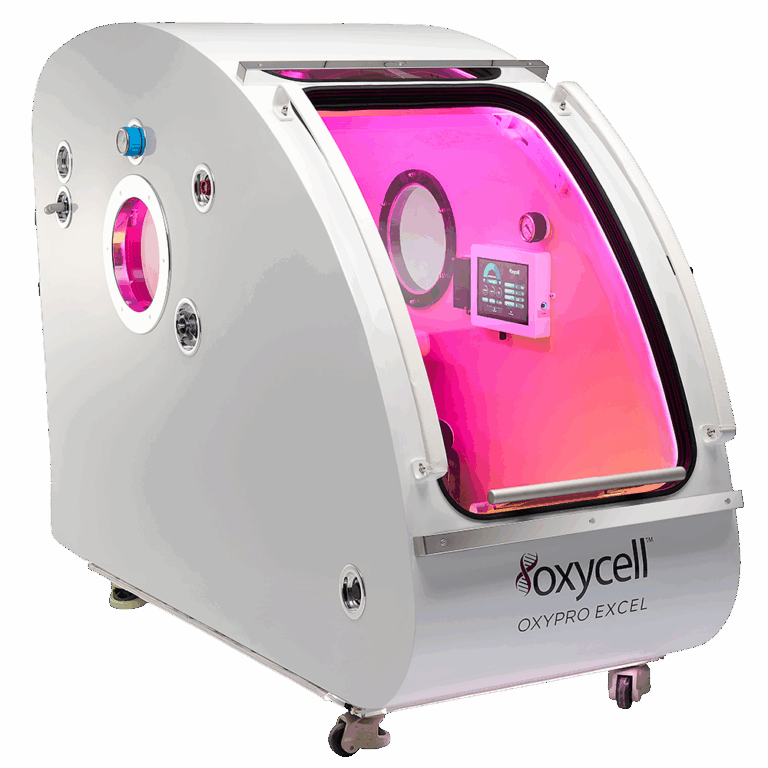
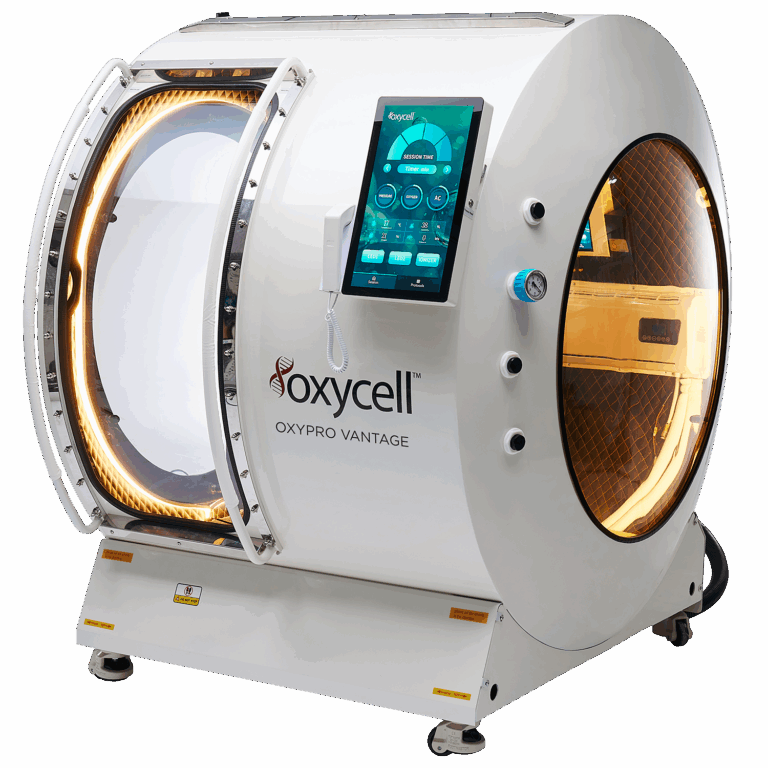
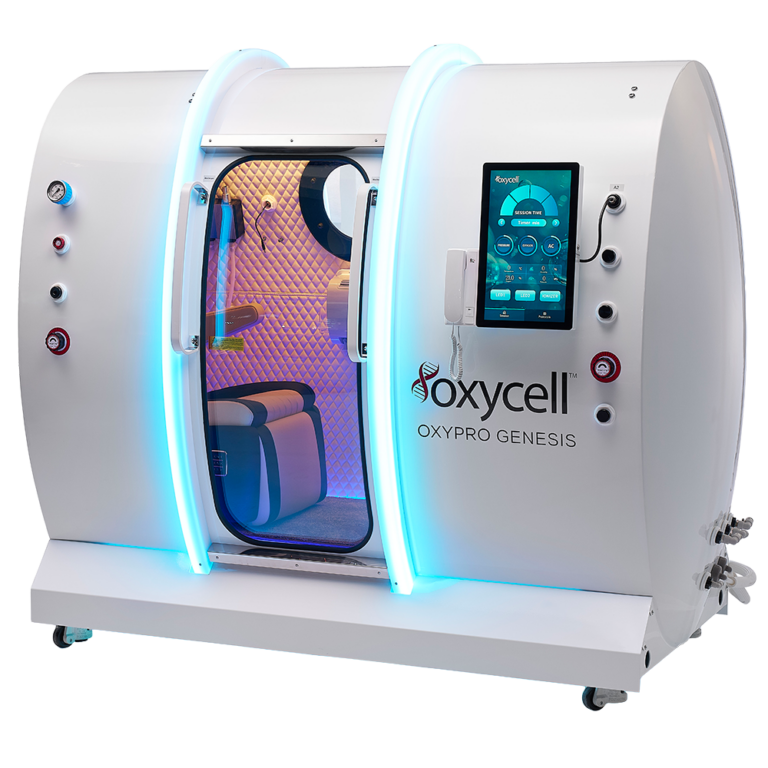
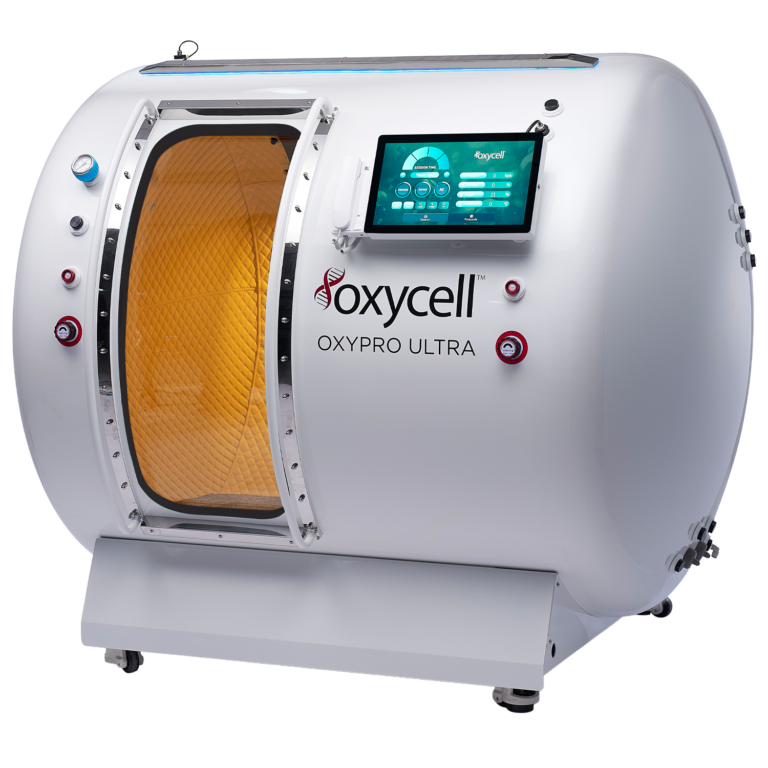

The Hyperoxic-Hypoxic Paradox: The Science Behind Enhanced Medicine
Enhanced medicine begins with a paradox. To get more oxygen deep into the body, you raise the pressure around it. Then — counter-intuitively — some of the most interesting effects come from briefly taking that oxygen away. This is the Hyperoxic-Hypoxic Paradox, and it is the principle that turns a pressurized chamber into something far more sophisticated than a richer breath of air. Understand it, and you understand why the next century of hyperbaric medicine looks less like a tank of gas and more like a carefully written program.
First, the hyperoxic part
Inside a hyperbaric chamber, you breathe a high concentration of oxygen at greater-than-normal pressure. Two centuries-old gas laws do the heavy lifting. Boyle’s law tells us gases compress under pressure; Henry’s law tells us a gas dissolves into a liquid in direct proportion to its pressure. Put a person under pressure in an oxygen-rich environment and far more oxygen dissolves directly into the blood plasma than red blood cells alone could ever carry. Tissue floods with oxygen — including tissue that swelling or poor circulation would normally starve.

Then, the hypoxic twist
Here is where it gets clever. The body does not only respond to absolute oxygen levels — it responds to change. When a session deliberately cycles between pure oxygen and normal air — the so-called “air break” — the relative dip reads to your cells like a hypoxic (low-oxygen) signal, even though overall oxygen exposure is high. You get the abundance of the hyperoxic state and the adaptive signalling of the hypoxic one, in rhythm.
The body reads the contrast, not just the dose. Rhythm is the active ingredient.
What the contrast appears to trigger
That perceived signal is what research associated with Dr. Shai Efrati’s group links to regenerative responses — stem-cell mobilisation, the growth of new blood vessels (angiogenesis), and cellular repair. The intuition is that the body, sensing a hypoxic challenge inside an oxygen-abundant environment, switches on repair and adaptation machinery without the cost of actual oxygen deprivation. It is a controlled “stress” that prompts a regenerative response.

Why this demands software, not guesswork
A paradox protocol is only as good as its precision. The pressure, the oxygen concentration and the exact timing of each air-break cycle all have to land correctly — session after session, for dozens of sessions. Done by hand, that is fragile and inconsistent. Done by software, it is repeatable, which is the entire point of a protocol.
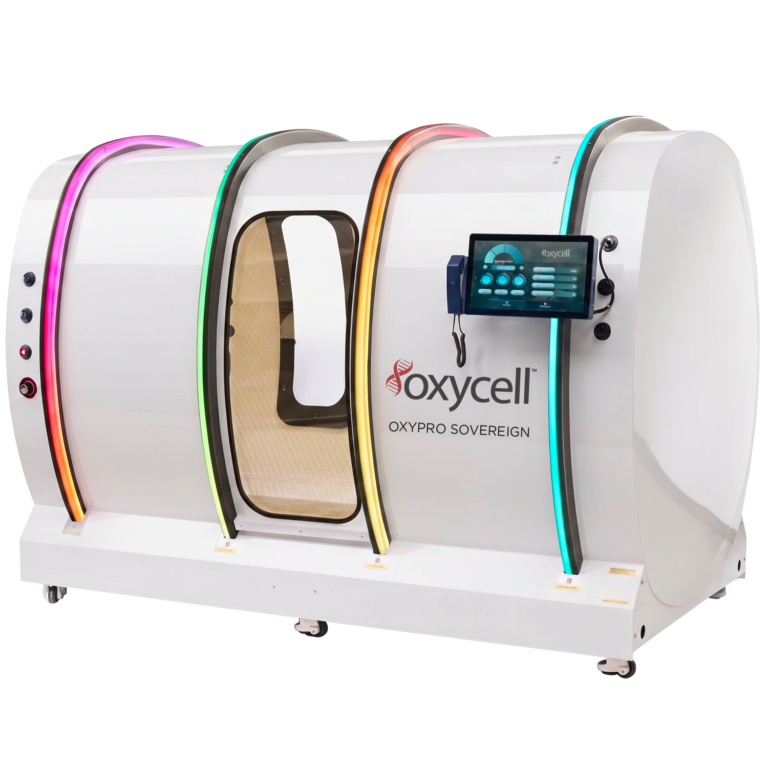
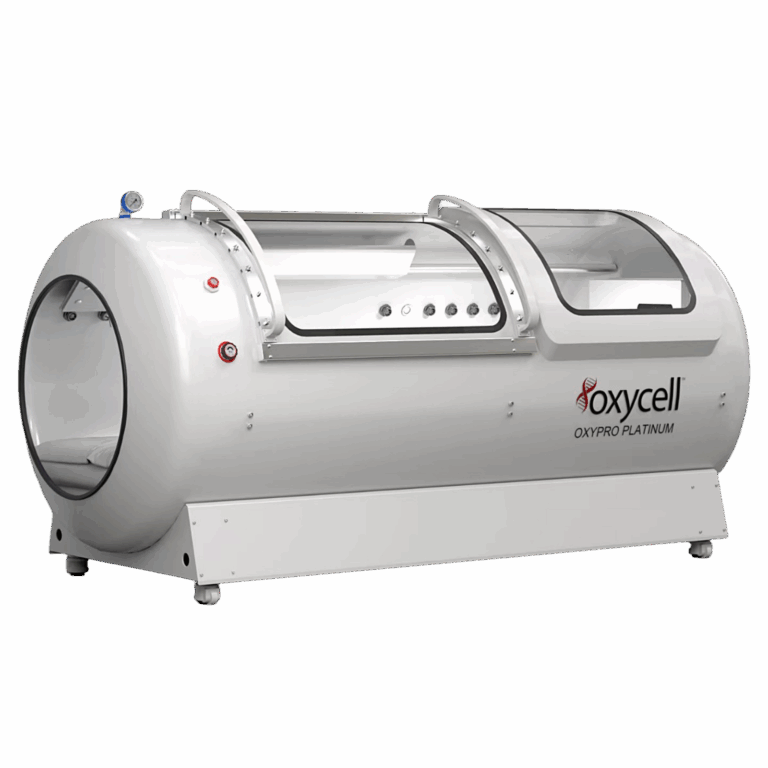
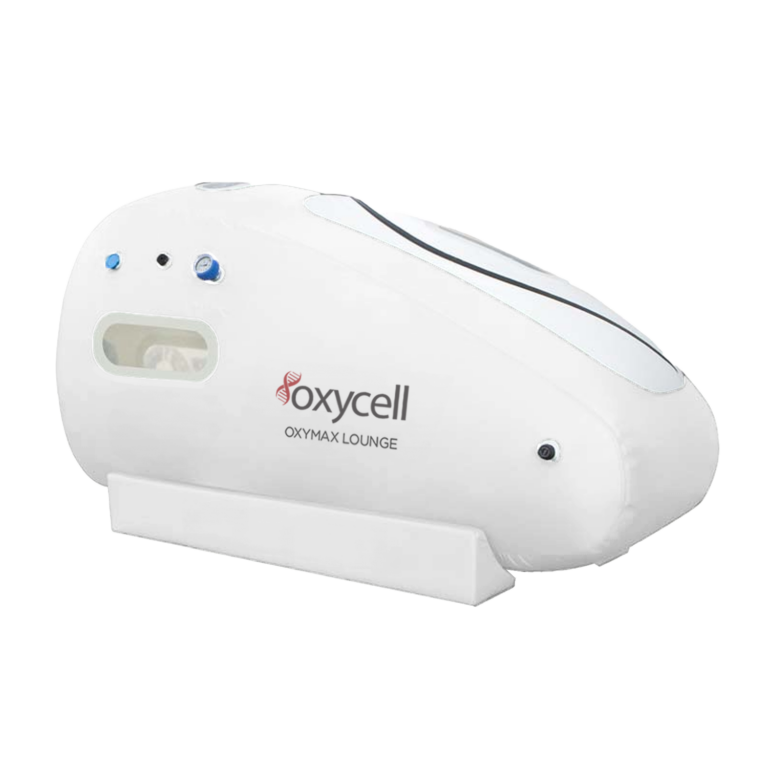
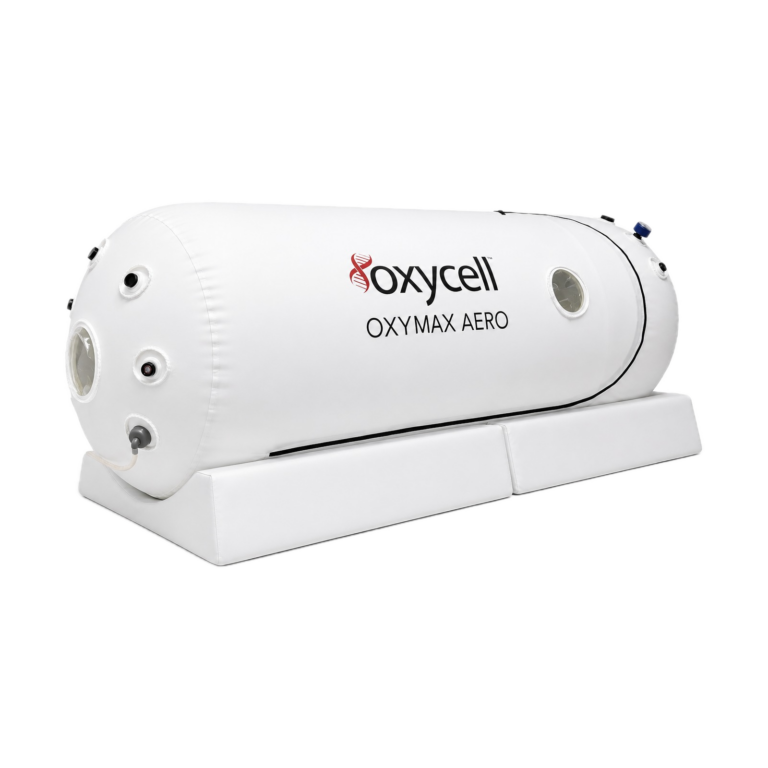
This is why every Oxycell chamber runs OS/O₂™, an operating system that encodes doctor-designed protocols and executes the hyperoxic-hypoxic rhythm automatically. The science of enhanced medicine, in other words, becomes something you start with one touch — and that runs the same way every time, which is exactly what a regenerative protocol needs.
- Hyperoxic: under pressure, oxygen dissolves into plasma (Henry’s law) and reaches tissue normal circulation cannot.
- Hypoxic twist: the “air break” makes cells read a low-oxygen signal inside an oxygen-rich state.
- The contrast is the active ingredient — associated in the research with stem-cell activity and new blood-vessel growth.
- Precision requires software. OS/O₂ runs the exact pressure, oxygen and timing every session, automatically.
Want to see it move? The science page lets you pressurize the chamber yourself and watch the oxygen respond — or explore the OxyPro range that runs these protocols at home.