

Synergy of Near Infrared & Red Light Therapy With HBOT
Synergy of Red Light Therapy (PBM) and Hyperbaric Oxygen Therapy (HBOT)
Photobiomodulation (PBM), commonly known as red light therapy, and Hyperbaric Oxygen Therapy (HBOT) represent two of the most promising therapeutic modalities in regenerative medicine today. While each therapy delivers impressive results independently, emerging research reveals that their combination creates a synergistic effect far greater than the sum of their parts.
PBM utilizes specific wavelengths of red and near-infrared light (typically 600-1000nm) to stimulate cellular processes at the mitochondrial level, while HBOT involves breathing pure oxygen in a pressurized environment to dramatically enhance oxygen delivery throughout the body. Together, these therapies amplify each other’s benefits through complementary mechanisms that optimize cellular energy production, accelerate tissue repair, and reduce systemic inflammation.
This article explores the sophisticated interplay between PBM and HBOT, with particular focus on the crucial role of nitric oxide displacement in creating their remarkable synergy.
Mechanisms of Action: How PBM and HBOT Work Together
The Nitric Oxide Connection: Understanding the Core Synergy
One of the most significant discoveries in understanding the synergy between PBM and HBOT involves the role of nitric oxide (NO) in mitochondrial function. This mechanism is fundamental to why these therapies work so powerfully together.
Under conditions of cellular stress, injury, or inflammation, nitric oxide can bind to cytochrome c oxidase—the final enzyme in the mitochondrial electron transport chain. When NO occupies these binding sites, it competitively inhibits oxygen from binding, effectively reducing the mitochondria’s ability to produce ATP efficiently. This creates a state of cellular energy deficiency that can impair healing and function.
Here’s where the synergy becomes remarkable:
PBM’s photons are absorbed by cytochrome c oxidase, causing a photodissociation effect that displaces nitric oxide from its binding sites on the enzyme. This displacement frees up the active sites, allowing oxygen to bind where NO was previously blocking it. However, this benefit is limited if oxygen availability is restricted—which is where HBOT enters the picture.
HBOT dramatically increases dissolved oxygen in the blood plasma and tissues, creating an oxygen-rich environment at the cellular level. When PBM has cleared the binding sites by displacing nitric oxide, HBOT ensures there’s an abundance of oxygen available to immediately occupy those sites and drive ATP production.
The result is a multiplicative effect: PBM removes the inhibitor (NO) while simultaneously activating the enzyme, and HBOT floods the system with the essential substrate (O₂) needed to maximize ATP synthesis. This creates a level of mitochondrial efficiency that neither therapy can achieve alone.
Enhanced Mitochondrial Function and ATP Production
Mitochondria serve as the cellular powerhouses, generating adenosine triphosphate (ATP)—the universal energy currency that fuels virtually every biological process. Both PBM and HBOT enhance mitochondrial function, but through beautifully complementary mechanisms.
PBM’s role extends beyond simply displacing nitric oxide. The therapy also directly stimulates cytochrome c oxidase activity, increasing electron flow through the transport chain. This stimulation triggers a cascade of beneficial effects, including increased membrane potential, improved calcium handling, and enhanced mitochondrial biogenesis (the creation of new mitochondria).
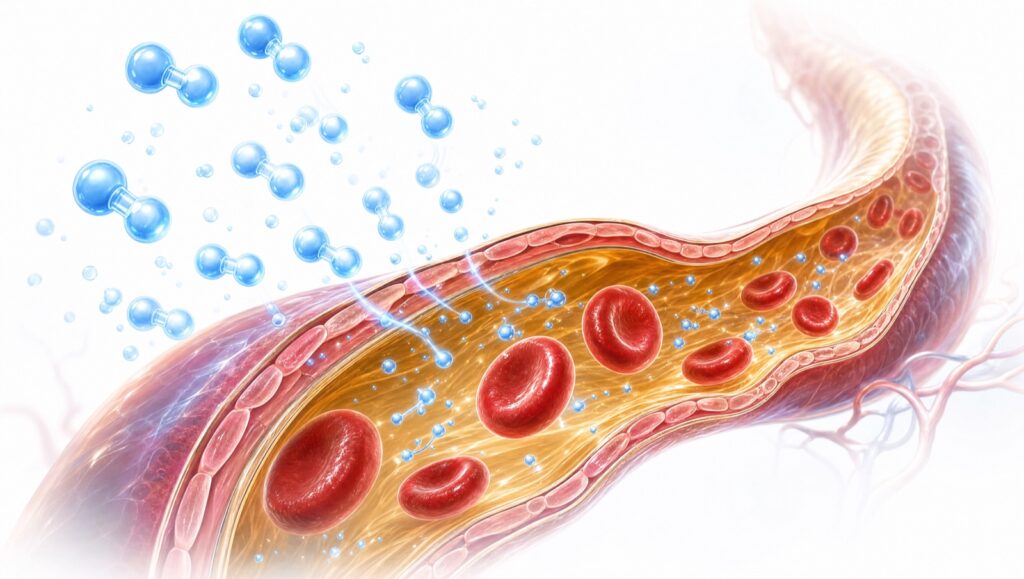
HBOT’s contribution addresses the oxygen supply side of the equation. Under normal atmospheric pressure, oxygen is primarily carried by hemoglobin in red blood cells. However, HBOT increases dissolved oxygen in the plasma by up to 20-fold, allowing oxygen to reach areas with compromised circulation and penetrate deeper into tissues. This hyperoxic state ensures that mitochondria have unlimited access to the oxygen substrate required for optimal ATP production.
When combined, these therapies create ideal conditions for cellular energy production: PBM optimizes the mitochondrial machinery while HBOT ensures unlimited fuel supply. The outcome is a significant boost in cellular energy that translates to accelerated healing, enhanced tissue repair, and improved overall function.
Accelerated Collagen Production and Tissue Remodeling
Collagen—the most abundant protein in the human body—provides structural integrity to skin, tendons, ligaments, blood vessels, and organs. Both PBM and HBOT stimulate collagen synthesis through distinct yet complementary pathways.
PBM activates fibroblasts, the specialized cells responsible for collagen production, through multiple signaling pathways. The therapy upregulates genes involved in collagen synthesis, including COL1A1 and COL3A1, while also increasing the activity of prolyl hydroxylase, an enzyme critical for collagen maturation. Additionally, PBM stimulates the production of transforming growth factor-beta (TGF-β), a key regulator of collagen deposition.
HBOT enhances collagen production by addressing the metabolic requirements of synthesis. Collagen production is an oxygen-intensive process, and HBOT ensures that fibroblasts have the oxygen necessary to sustain high levels of synthesis. Furthermore, HBOT promotes angiogenesis (new blood vessel formation), which establishes the vascular infrastructure needed to support ongoing tissue remodeling.
The combination accelerates wound healing, improves scar quality, enhances skin elasticity, and supports the repair of damaged connective tissues. This synergy is particularly valuable in both medical applications (wound care, post-surgical recovery) and aesthetic treatments (skin rejuvenation, anti-aging protocols).
Comprehensive Anti-Inflammatory Response
Chronic inflammation underlies numerous health conditions and accelerates aging processes. Both PBM and HBOT demonstrate powerful anti-inflammatory properties that, when combined, provide a multi-faceted approach to inflammation management.
PBM modulates inflammation at the cellular and molecular level by:
- Reducing pro-inflammatory cytokines (IL-1, IL-6, TNF-α)
- Increasing anti-inflammatory cytokines (IL-10)
- Decreasing oxidative stress through enhanced antioxidant enzyme activity
- Stabilizing cell membranes and reducing inflammatory signaling
HBOT combats inflammation through several mechanisms:
- Suppressing inflammatory cytokine production
- Reducing edema and swelling through vasoconstriction
- Enhancing antioxidant defenses (superoxide dismutase, catalase)
- Modulating immune cell activity to reduce excessive inflammatory responses
Together, these therapies create a powerful anti-inflammatory environment that addresses both the causes and consequences of inflammation, leading to reduced pain, decreased swelling, and accelerated resolution of inflammatory conditions.
Clinical Applications and Outcomes
Enhanced Healing and Accelerated Recovery
The synergistic effects of PBM and HBOT make them exceptionally effective for healing and recovery across diverse applications:
Sports Medicine and Athletic Performance: Athletes leverage this combination to recover faster from injuries, reduce muscle soreness, and optimize performance. Studies show reduced recovery times for muscle strains, ligament injuries, and bone fractures when both therapies are used concurrently.
Surgical Recovery: Patients undergoing elective surgeries experience reduced post-operative pain, faster wound healing, decreased infection risk, and improved scar outcomes with combined PBM and HBOT protocols.
Chronic Wounds: For diabetic ulcers, pressure sores, and non-healing wounds, the combination has demonstrated remarkable success by addressing both the energy deficit and oxygen limitation that characterize these conditions.
Skin Rejuvenation and Advanced Anti-Aging
In aesthetic medicine, PBM and HBOT together offer a sophisticated approach to skin rejuvenation:
- Improved skin texture and tone through enhanced collagen and elastin production
- Reduction in fine lines and wrinkles via improved cellular energy and tissue repair
- Enhanced skin hydration through better cellular function and circulation
- Reduced hyperpigmentation and more even skin tone
- Improved scar appearance from acne, surgery, or injury
The non-invasive nature of both therapies makes them attractive alternatives or adjuncts to more invasive cosmetic procedures.
Neurological Support and Brain Health
Emerging research highlights the potential of combined PBM and HBOT for neurological conditions:
Traumatic Brain Injury (TBI): Both therapies show promise in reducing neuroinflammation, supporting neuroplasticity, and improving cognitive function in TBI patients. The combination may enhance these benefits by addressing both metabolic and oxygen deficits in damaged neural tissue.
Stroke Recovery: PBM and HBOT together may support neuroprotection and neuroregeneration, potentially improving outcomes in stroke rehabilitation.
Neurodegenerative Conditions: Preliminary research suggests benefits for conditions like Alzheimer’s disease, Parkinson’s disease, and other neurodegenerative disorders, though more clinical trials are needed.
Cognitive Enhancement: Even in healthy individuals, the combination may support optimal brain function, mental clarity, and cognitive performance.
Additional Applications
The versatility of combined PBM and HBOT extends to numerous other conditions:
- Autoimmune disorders
- Chronic fatigue syndrome
- Fibromyalgia
- Chronic pain conditions
- Post-infectious syndromes
- Age-related functional decline
Implementation Considerations
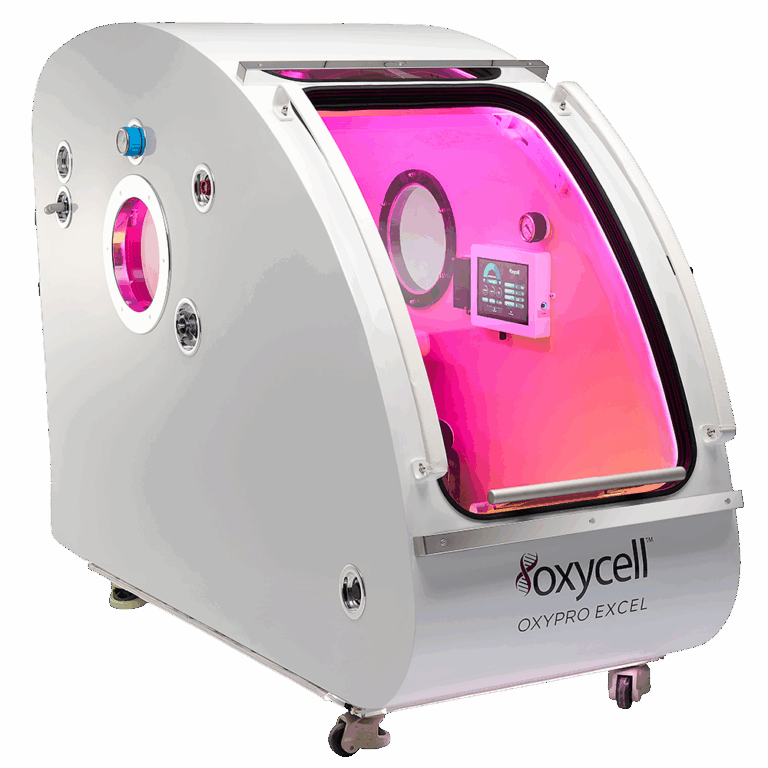
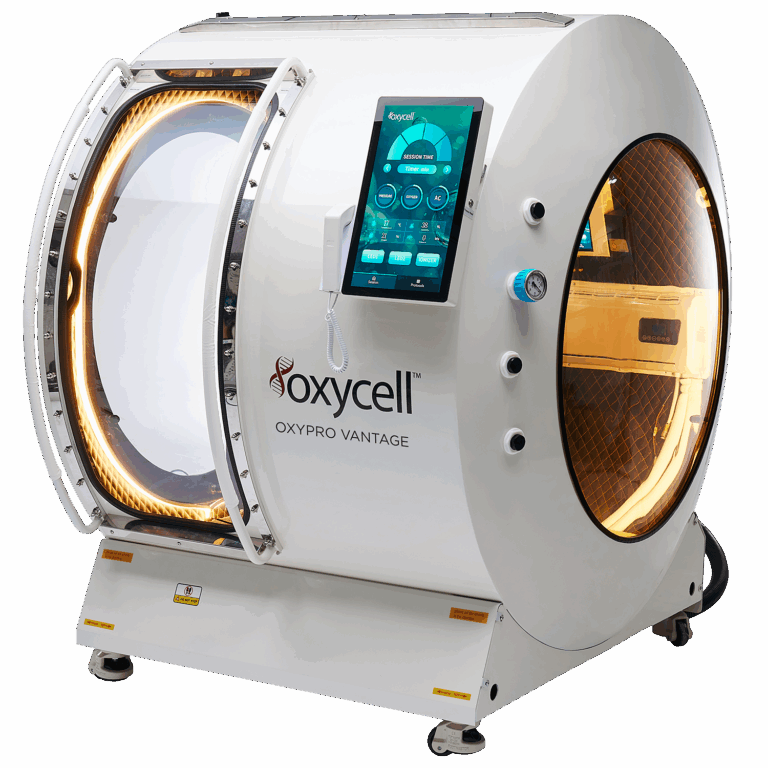
For optimal results, the timing and dosing of both therapies should be carefully considered. Some protocols use HBOT first to saturate tissues with oxygen, followed immediately by PBM to maximize the mitochondrial response. Other approaches alternate the therapies or use them simultaneously in chambers equipped with red light panels.
The specific parameters—including HBOT pressure and duration, PBM wavelength and dosage—should be tailored to the individual and their specific condition.
Conclusion: A Synergy with Transformative Potential
The combination of Photobiomodulation and Hyperbaric Oxygen Therapy represents a paradigm shift in regenerative medicine. By understanding the sophisticated interplay between these modalities—particularly the crucial mechanism of nitric oxide displacement—we can appreciate why their combined effects far exceed what either therapy achieves alone.
As PBM displaces inhibitory nitric oxide from cytochrome c oxidase and activates mitochondrial function, HBOT simultaneously floods tissues with the oxygen needed to capitalize on this enhanced enzymatic activity. This synergy creates optimal conditions for ATP production, collagen synthesis, and inflammatory resolution at the cellular level.
With ongoing research continuing to unveil new applications and refine protocols, the future of combined PBM and HBOT therapy looks exceptionally promising. Whether applied for enhanced athletic recovery, accelerated wound healing, skin rejuvenation, or neurological support, this powerful therapeutic combination offers hope for improved outcomes across a wide spectrum of health conditions.
References
- https://www.ncbi.nlm.nih.gov/pmc/articles/PMC10949673/
- https://pubmed.ncbi.nlm.nih.gov/33125817/
- https://pubmed.ncbi.nlm.nih.gov/36818748/
- https://www.ncbi.nlm.nih.gov/pmc/articles/PMC6030988/